Is it a Hernia? Simple Ways to Recognize Groin Hernia Symptoms
Groin hernias are more common than most people realise and recognising the early signs can be crucial in preventing complications. Whether you’re dealing with a mild bulge or persistent discomfort, understanding the symptoms of a groin hernia is essential. This blog will guide you through the common signs, risk factors, and when to consult a specialist like Dr. Nidhi Khandelwal, a trusted expert in hernia diagnosis and treatment.
What is a Groin Hernia?
A groin hernia occurs when soft tissue—usually part of the intestine—protrudes through a weak point or tear in the muscles of the lower abdominal wall. This type of hernia typically appears in the inguinal canal, making inguinal hernia the most common form of groin hernia.
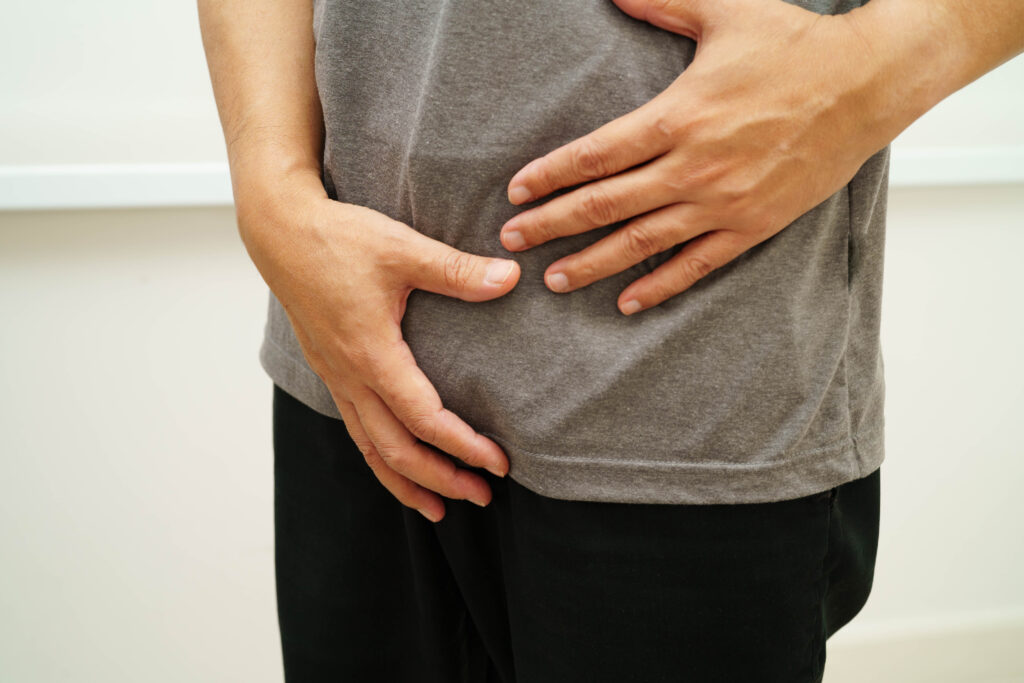
A groin hernia occurs when soft tissue—usually part of the intestine—protrudes through a weak point or tear in the muscles of the lower abdominal wall. This type of hernia typically appears in the inguinal canal, making inguinal hernia the most common form of groin hernia.
How to Recognize Groin Hernia Symptoms
Knowing the symptoms can help you seek medical help early, avoid complications, and get proper inguinal hernia diagnosis.
1. Visible Bulge in the Groin Area
One of the earliest signs of a groin hernia is a visible bulge on either side of the pubic bone. This bulge may become more noticeable when you’re standing, coughing, or straining.
2. Groin Discomfort or Pain
You may experience a dull aching sensation or sharp pain in the groin—especially when bending over, lifting heavy objects, or during physical activity.
3. Weakness or Pressure in the Groin
A sensation of heaviness or dragging in the groin can indicate the presence of a hernia. This pressure often worsens toward the end of the day.
4. Swelling Around the Testicles (in Men)
In some cases, the hernia extends into the scrotum, causing pain and swelling. This is a sign that requires immediate medical evaluation.
Risk Factors for Groin Hernias
- Chronic coughing or sneezing
- Heavy lifting
- Obesity
- Straining during bowel movements or urination
- Family history of hernias
- Previous abdominal surgeries
If you’re at higher risk, regular screening and lifestyle changes can help prevent complications.
When to See a Doctor?
Early diagnosis of a groin hernia can lead to better treatment outcomes. If you’re experiencing symptoms like groin pain, a persistent bulge, or discomfort during movement, it’s time to consult an experienced surgeon like Dr. Nidhi Khandelwal, who specializes in inguinal hernia diagnosis and minimally invasive surgical repair.
Why Early Diagnosis is Important
Delaying treatment may lead to complications such as:
- Incarcerated Hernia: The herniated tissue gets trapped and cannot be pushed back in.
- Strangulated Hernia: Blood supply to the herniated tissue is cut off, requiring emergency surgery.
Early detection through physical exams and imaging can prevent these serious outcomes.x`
Treatment Options for Groin Hernias
Depending on the severity, your doctor may recommend:
- Watchful Waiting: For small, asymptomatic hernias.
- Hernia Surgery: Robotic or Laparoscopic Hernia repair may be advised for symptomatic or growing hernias. Rarely open surgery may be required.
Dr. Nidhi Khandelwal offers personalized treatment plans, including advanced Robotic & Laparoscopic techniques with faster recovery times and minimal scarring.
FAQs on Groin Hernia Symptoms
A groin hernia often feels like a soft lump that may be pushed back in. You might also feel aching, pressure, or a burning sensation in the area.
Yes, hernia pain may be intermittent—often appearing during physical activity or prolonged standing and disappearing when you lie down.
Not always. If the hernia is small and not causing pain, your doctor may recommend monitoring it. However, surgery is usually needed for symptomatic or enlarging hernias.
Inguinal hernia diagnosis is typically made through a physical examination. Imaging tests like ultrasound or CT scan may be used for confirmation.
If you’re looking for expert care, Dr. Nidhi Khandelwal is a renowned hernia specialist known for her expertise in both open and laparoscopic hernia surgeries.
Final Thoughts
Ignoring the early signs of a groin hernia can lead to serious health risks. By paying attention to symptoms like a groin bulge, discomfort, or pressure, you can seek timely diagnosis and care. Trust experienced professionals like Dr. Nidhi Khandelwal for accurate inguinal hernia diagnosis and effective treatment options.